

The Ultimate Guide to Red Light Therapy Face Mask:Benefits, and Results in 2026

In the ever-evolving world of skincare, few innovations have made as much of a splash as the red light therapy face mask. Once a high-end treatment exclusive to luxury dermatological clinics, this “space-age” technology is now a staple in the vanities of beauty enthusiasts worldwide.
But does it actually work, or is it just a glow-in-the-dark gimmick? In this comprehensive guide, we dive deep into the science of photobiomodulation, the benefits of different wavelengths, and how to choose the right mask for your skin goals.
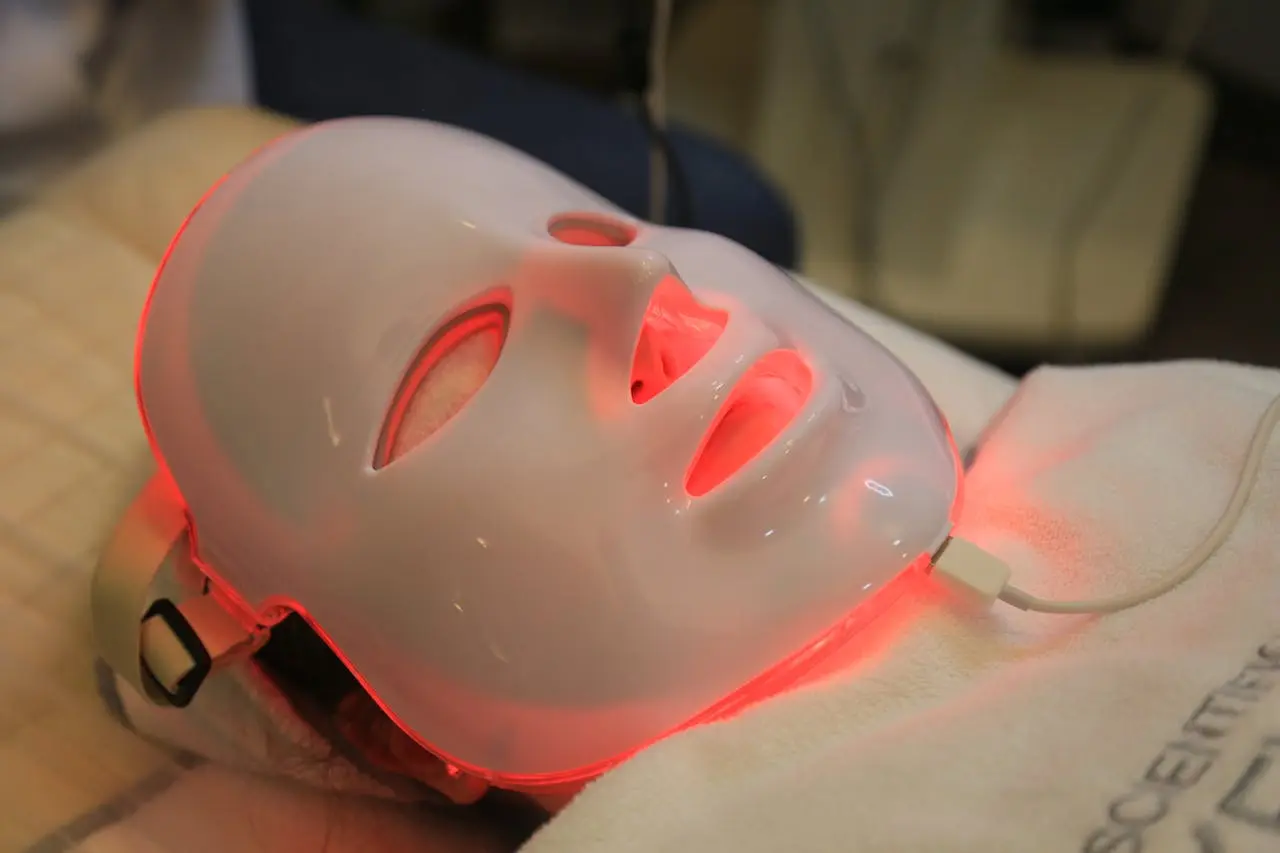
What is a Red Light Therapy Face Mask?
A red light therapy (RLT) face mask is a wearable device lined with Light Emitting Diodes (LEDs) that emit specific wavelengths of light. Unlike the harmful UV rays from the sun or tanning beds, these wavelengths are non-ionizing and gentle on the skin.
The primary goal of these masks is photobiomodulation—a process where light energy triggers biological changes at a cellular level. By “charging” your cells’ batteries, RLT helps the skin repair itself faster and function more efficiently.
How Does It Work? The Science of the Glow
To understand why your skin loves red light, we have to look at the mitochondria—the powerhouses of your cells.
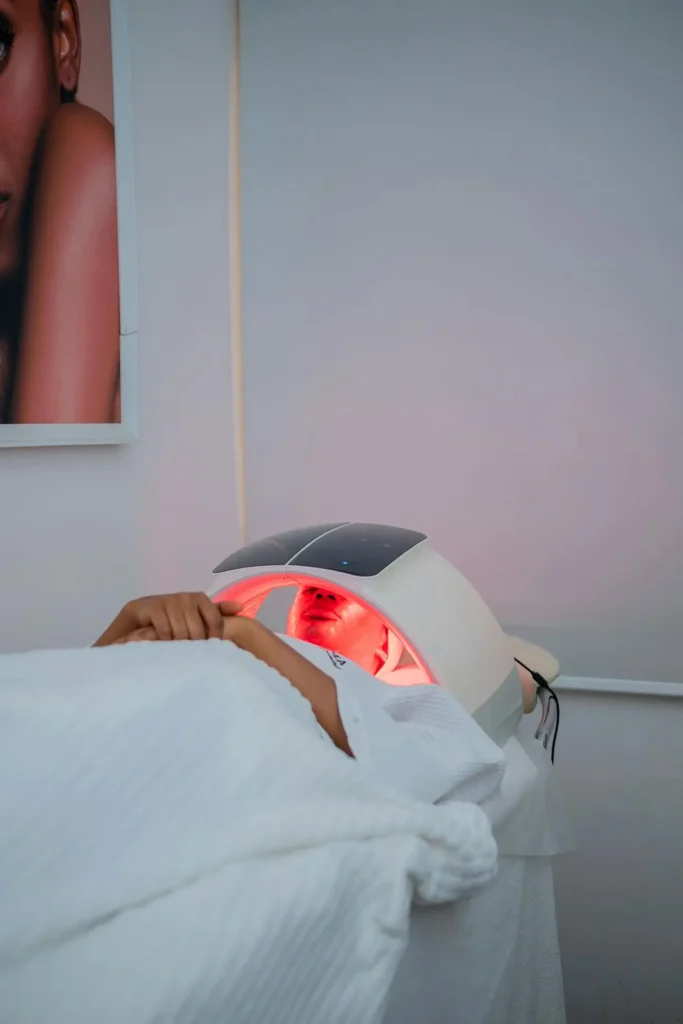
- Absorption: When you wear a red light therapy face mask, the light (typically between 630nm and 660nm) penetrates the skin layers.
- ATP Production: This light is absorbed by an enzyme called cytochrome c oxidase. This interaction boosts the production of Adenosine Triphosphate (ATP), which provides the energy cells needed to repair damage.
- Collagen Synthesis: With more energy, fibroblast cells ramp up the production of collagen and elastin, the proteins responsible for keeping your skin firm, plump, and wrinkle-free.
Red Light vs. Near-Infrared (NIR)
Many premium masks offer a combination of Red and Near-Infrared light. While Red light (visible) targets the surface for texture and tone, Near-Infrared (invisible, ~850nm) penetrates deeper into the hypodermis to reduce inflammation and accelerate deep tissue healing.
Key Benefits of Red Light Therapy Face Masks
If you are looking for a non-invasive way to upgrade your routine, here is what a consistent RLT habit can do:
1. Anti-Aging and Wrinkle Reduction
By stimulating collagen, RLT fills in fine lines and “crow’s feet.” A 2025 study noted that users saw a significant increase in skin density and elasticity after 8–12 weeks of consistent use.
2. Acne Management and Healing
While Blue Light is the gold standard for killing acne-causing bacteria (P. acnes), Red Light plays a vital supporting role. It reduces the redness and swelling associated with breakouts and speeds up the healing of post-inflammatory hyperpigmentation (acne scars).
3. Even Skin Tone and Texture
RLT improves microcirculation, bringing more oxygen and nutrients to the skin’s surface. This results in a “lit-from-within” radiance and a reduction in dullness.
4. Reduced Inflammation
For those struggling with Rosacea or general skin sensitivity, the soothing effect of red light can help calm the skin’s inflammatory response.
How to Use a Red Light Therapy Mask for Best Results
To get the most out of your investment, follow these best practices:
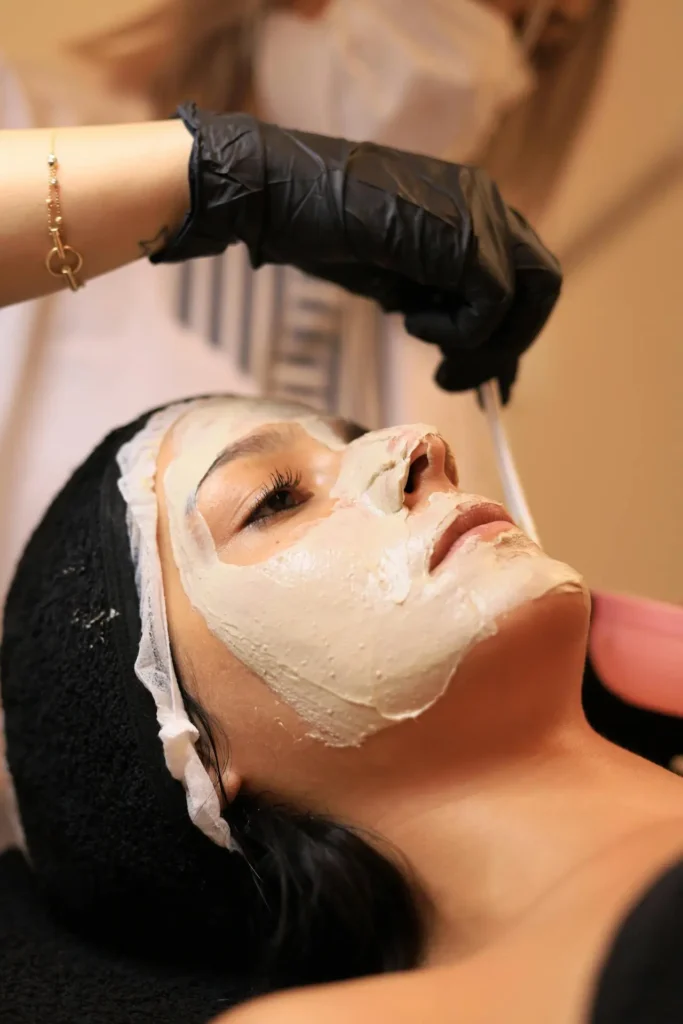
- Cleanse First: Always start with a fresh, dry face. Makeup, oils, and even some serums can reflect the light, preventing it from reaching your cells.
- Consistency is Key: You won’t see results overnight. Most experts recommend 10–20 minute sessions, 3 to 5 times per week.
+1 - Post-Light Serums: Apply your active ingredients (like Hyaluronic Acid or Peptides) after your session. The increased circulation may even help your products absorb better.
- Protect Your Eyes: While most at-home masks are safe, if your eyes are sensitive to bright light, use the provided goggles or simply keep your eyes closed during the session.
What to Look for When Buying an LED Mask
Not all masks are created equal. When shopping, keep these factors in mind:
- Wavelength Precision: Ensure the mask specifies its wavelengths (ideally 630-660nm for Red and 830-850nm for NIR).
- Number of LEDs: More LEDs generally mean better, more even coverage across the entire face.
- FDA Clearance: Look for “FDA-cleared” devices to ensure the mask meets safety and quality standards.
- Fit and Comfort: Flexible silicone masks often provide better “light-to-skin” contact than rigid plastic ones.
FAQ: Frequently Asked Questions
Is red light therapy safe for everyone?
Generally, yes. It is non-invasive and painless. However, people with Photosensitivity, Lupus, or those taking medications like Accutane (Isotretinoin) should consult a dermatologist first.
Can I use my mask every day?
Yes, most manufacturers design masks for daily use. However, “more” isn’t always “better.” Your skin needs time to process the cellular changes, so sticking to the recommended 10–20 minutes is ideal.
Will it help with Melasma?
This is a grey area. While it helps some, the slight heat generated by certain NIR wavelengths can sometimes trigger Melasma in sensitive individuals. It’s best to use a “Red Only” setting if you have heat-sensitive pigmentation.
How long until I see results?
You might feel a “glow” after one session due to increased circulation, but structural changes like wrinkle reduction typically take 4 to 12 weeks of regular use.
The Bottom Line
A red light therapy face mask is a powerful tool for anyone serious about long-term skin health. While it requires a bit of an upfront investment and a dash of patience, the ability to stimulate collagen and calm inflammation from the comfort of your couch makes it a must-have for the 2026 skincare minimalist.